
Mardi Himal Trek 11 Days

Mardi Himal Trek

  • Duration 11 Days
  • Destination Nepal
  • Trip Grade Easy to modorate
  • Starts at Kathmandu
  • Ends at Kathmandu
  • Meals All Inclusive
  • Accommodation Hotel/Lodges/Tea Houses
  • Max. Altitude 4500 meter
  • Activity trekking/Hiking
  • Group Type Private
  • Group Size 2-20
  • Best Season Spring & Autumn
Highlights
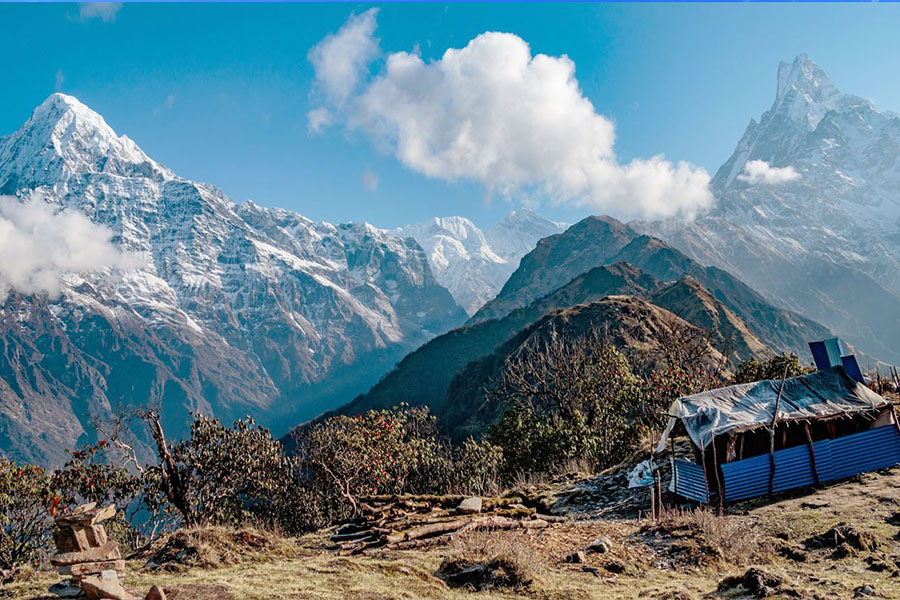
  • Panoramic views offer stunning vistas of the Annapurna Range, including Annapurna South, Machapuchare, and Hiunchuli, providing some of the best mountain scenery in the region.
  • The Mardi Himal trek is less crowded compared to other popular routes, ensuring a peaceful adventure, perfect for those seeking tranquility in nature.
  • This trek is ideal for trekkers with a good level of fitness, offering an achievable challenge without technical climbing skills, resulting in a rewarding summit view.
  • Trek through traditional Gurung and Magar villages, gaining a glimpse into the local culture, architecture, and way of life.
  • Enjoy diverse ecosystems, ranging from subtropical forests to alpine meadows, and spot native wildlife, including birds and animals of the Himalayas.
  • Wander through lush rhododendron forests, particularly vibrant in spring when the flowers are in full bloom.
  • With an elevation gain of over 4,500 meters, this trek offers a challenging yet rewarding physical experience that leaves a sense of accomplishment.
  • The trek provides an excellent route to access the Annapurna Sanctuary, a famous and awe-inspiring trekking destination.
  • Experience unforgettable sunrises and sunsets over the Annapurna and Dhaulagiri ranges, adding a magical touch to your adventure.

Mardi Himal Trek Overview

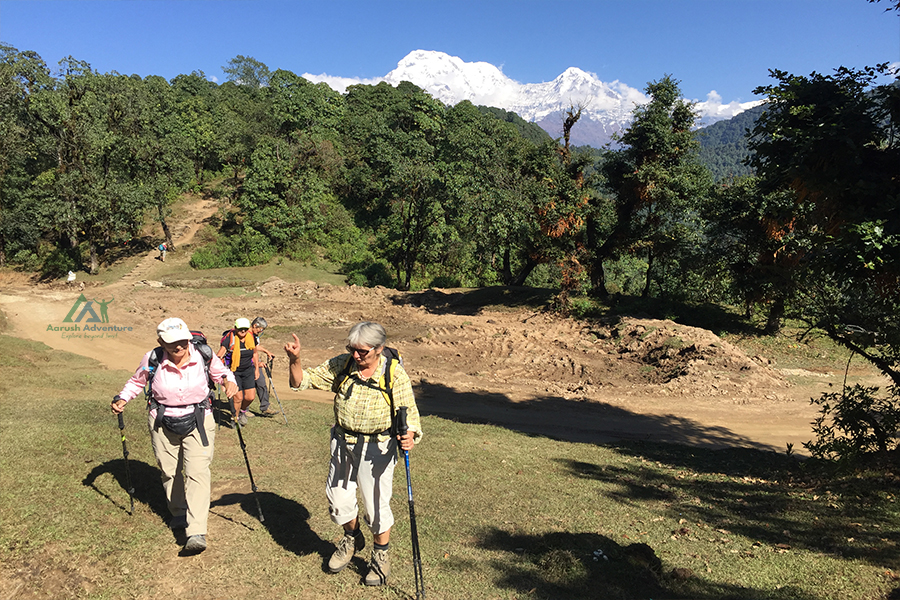
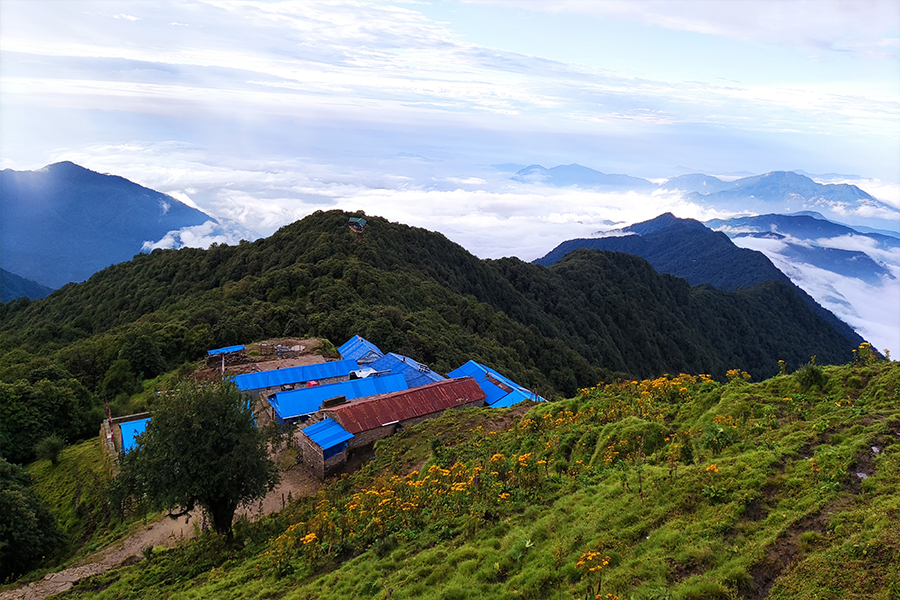
The trek to Mardi Himal Base Camp begins from the picturesque village of Dhampus Phecdi, which is accessible from Pokhara. As you ascend, you will pass through dense forests of rhododendron, oak, and pine, providing a rich variety of flora and fauna. The trail meanders through charming Gurung villages, where trekkers can experience the traditional lifestyle and culture of the local people. Along the way, you will also encounter panoramic views of the surrounding peaks, with each day offering a new perspective of the mighty Himalayas.

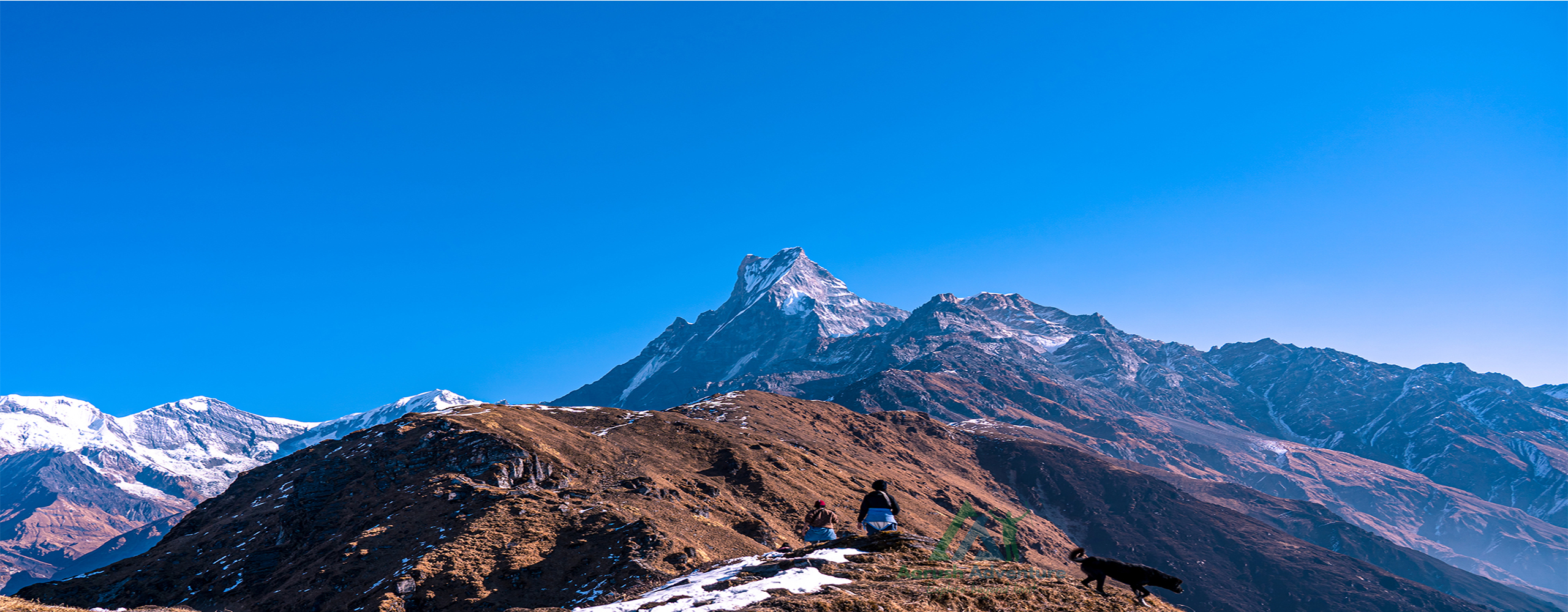
Mardi Himal is Surrounded by the enormous Annapurna massifs, standing right beside the stunning Mt. Fishtail (6993m). This peak reaches mere 5587 meters but is nevertheless appreciated for its appealing attractiveness by many. Trekking to the base of Mt. Mardi travels via the outstanding view of the Annapurna Conservation Area Project. The trek compresses traditional divergent, ecological diversity, stunning peak vistas, and stunning territory all in one. The trek to the Mardi Himal Base Camp is full of natural enriches which awe-struck its searchers from the starting itself. Mardi Himal Trek altitude ranges from 2000 meters and elevates to 4500 meters at Mardi Himal Base Camp. The altitude difference of this trek was relatively difficult. The trekkers must be mentally and physically fit for this trek. Mardi Himal Trek requires 5 to 7 hours of walking on a muddy path to stay at the height below 3000 meters for 2 days.

Aarush Adventure Pvt. Ltd. provides is stunning Mardi Himal Trek with an experienced and expert guide. It is advised that the trekkers begin their fitness training a minimum of one month prior to the visit date. It is recommended that trekkers concentrate on Cardio exercises: (Cycling, Workout, Jogging, and Hiking) to increase stamina and lung extent. In addition, enduring training such as lifting, and sprinting is outstanding for this trip. The Challenge of the Mardi Himal Trek is reliant on the fitness level of a person. It could be backbreaking for novice trekkers while a simple going journey for some with past experience. It is every time-wise to be in excellent shape for a convenient trekking experience. Mardi Himal Trek together with all the stops in between the Pothana is enclosed in Annapurna Conservation Area Project (ACAP). This project is focused on preserving the diverse vegetation and animals found in the region. The trekkers need ACAP permits for traveling in this region.

Day to Day Itinerary
Expand all

Upon your arrival at Tribhuvan International Airport, a friendly representative from our team will greet you warmly. Look for a sign displaying our company’s name. Our representative will assist with any questions or concerns, guide you through airport formalities, and ensure your seamless transfer to your hotel. Enjoy a comfortable and professional start to your journey, with our team dedicated to making your stay in Nepal memorable.

  • 3 star Hotel
  • Welcome Dinner

After breakfast, begin a guided exploration of Kathmandu, a UNESCO World Heritage city. Visit iconic landmarks including Kathmandu Durbar Square, the sacred Pashupatinath Temple, the hilltop Swayambhunath (Monkey Temple), and the majestic Boudhanath Stupa. Following the tour, return to the hotel to rest. Later in the afternoon, meet with expert mountaineering guides for a detailed briefing and hands-on training session on climbing techniques and safety protocols. In the evening, purchase any additional climbing gear needed before enjoying dinner and relaxing at the hotel.

  • 3 Star Hotel
  • Breakfast
  • 6–7 hours
  • 30 km

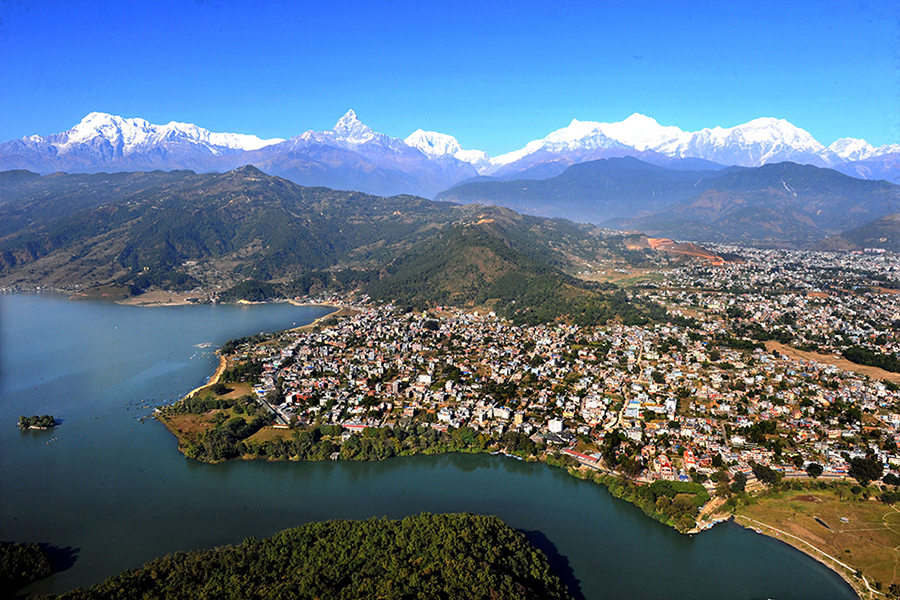
Begin your day with an early breakfast and board a comfortable tourist bus at 7 a.m. for a scenic journey to Pokhara. As you travel, marvel at the beautiful landscapes and pass through charming towns. Upon arrival in Pokhara, a city famous for its seven serene lakes and located beneath the stunning Mt. Machhapuchhre (Fishtail), check in to your hotel, conveniently located near the peaceful Phewa Lake. After settling in, spend the remainder of the day relaxing and soaking in the calming lakeside atmosphere, perfect for unwinding.

  • 3 Star Hotel
  • All Inclusive
  • 7-8 hours
  • 200 km

Enjoy a hearty breakfast at the hotel, then take a scenic one-hour drive to Phedi, where your trekking adventure will begin. From Phedi, set off on a trek towards Pothana, passing through Dhampus, a picturesque village offering spectacular views of the surrounding mountains and vibrant rhododendron forests. Stop in Dhampus for a well-deserved lunch, and take in the natural beauty of your surroundings. After lunch, continue your journey to Pothana, a peaceful spot where you’ll stay for the night at a cozy guesthouse. Relax and prepare for the exciting days ahead on your trek.

  • Tea houses
  • All Inclusive
  • 5 hours
  • 10 km
  • Ascent: 1600 m
  • Descent: 20 m

Your journey begins with a wholesome local breakfast before you embark on a trek through the mesmerizing rhododendron forests. The trail gradually ascends, accompanied by the soothing sounds of birds singing and the rustling of leaves in the gentle breeze. Over the course of 4–5 hours of hiking, you’ll reach forest Camp, your stop for the evening. This peaceful spot offers a perfect opportunity to unwind, surrounded by nature’s beauty. As night falls, enjoy the tranquil atmosphere and gaze at the clear night sky, filled with stars.

  • Tea House
  • All Inclusive
  • 4–5 hours
  • 8 km
  • Ascent: 500 m
  • Descent: 200 m

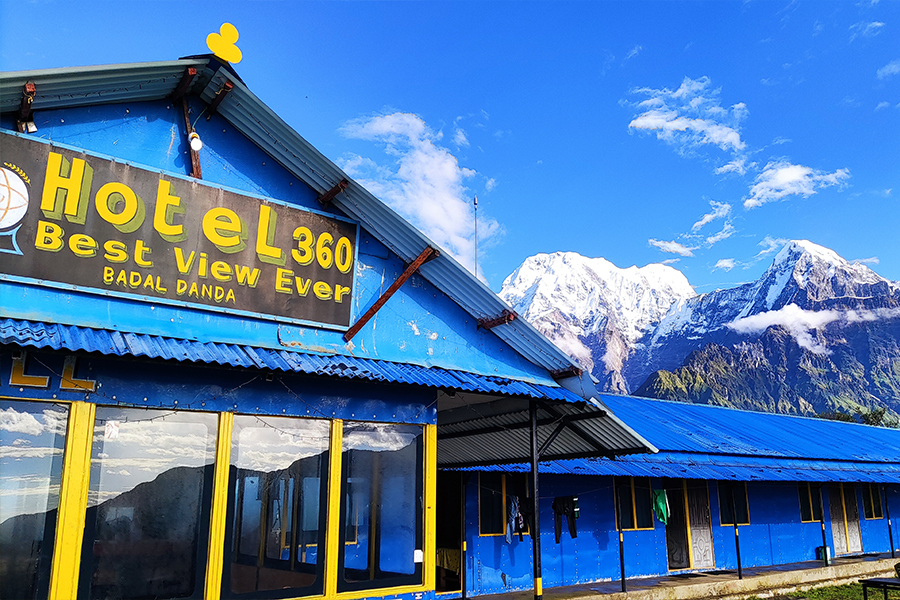
Your trek continues as you head toward Badal Danda, a stunning location surrounded by pristine nature. The path leads you higher into the mountains, with each step offering more spectacular views that grow increasingly captivating as you gain elevation. Once you reach Badal Danda, take the time to explore and soak in the breathtaking surroundings. You will spend the night at a local guesthouse, providing you with a comfortable place to rest and recharge for the next phase of your adventure.

  • Tea House
  • All Inlusive
  • 5 hours
  • 7 km
  • Ascent: 650 m
  • Descent: 50 m

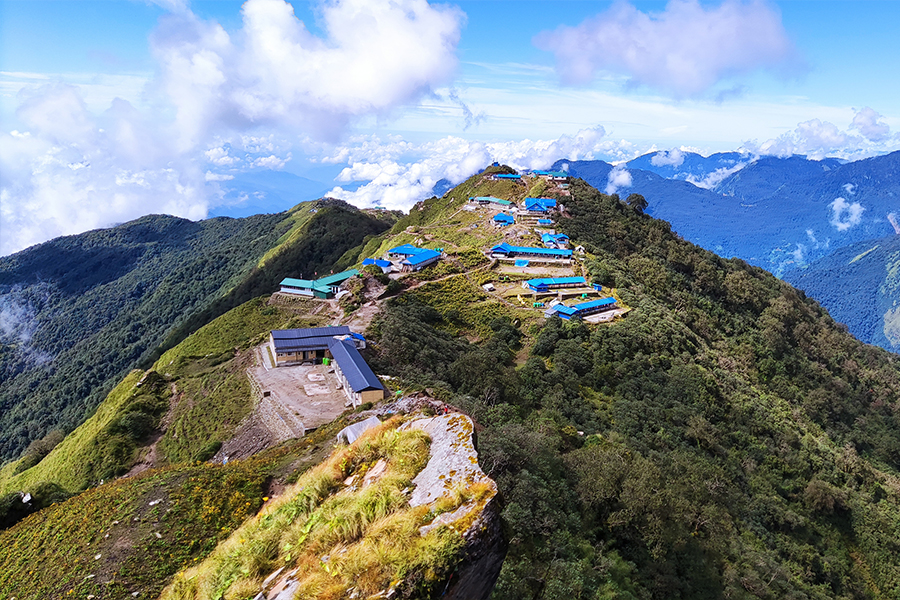
You will trek from Badal Danda to High Camp at an elevation of 3,600 meters . The trek typically takes around 4 hours, passing through forests, ridges, and scenic viewpoints, offering incredible views of the surrounding mountains, including Machapuchare (Fish Tail). As you ascend, the landscape changes, with alpine meadows and sparse vegetation. The trek is moderate, but the altitude may begin to affect breathing, so taking it slow is important. Upon reaching high Camp, you will be greeted with stunning panoramic views of Mardi Himal, Annapurna, and Machapuchare. You’ll overnight at a local tea house, which provides an authentic mountain experience.

  • Tea houses
  • All Inclusive
  • 7–8 hours
  • 10 km
  • Ascent: 560 m
  • Descent: 50 m

Today, you will climb from high Camp to Mardi Base Camp at 4,500 meters. This section of the trek takes about 3 hours, with a gradual ascent. As you move higher, the views become even more magnificent, offering clear sights of the surrounding snow-capped peaks. The climb is steeper than the previous day, and the altitude will begin to feel more pronounced. Upon reaching Mardi Base Camp, spending for a while for pictures, then descend down to Low Camp, for well deserved overnight stay.

  • Tea houses
  • All Inclusive
  • 6-7 hour
  • 16
  • Ascent: 100 m
  • Descent: 1500 m

After a fulfilling breakfast, begin your descent towards Sidhing, a culturally significant village nestled in the heart of the Annapurna region. As you trek, marvel at the stunning views of the Mardi Khola river and nearby landmarks, such as Khora Ko Mookh and Bhidabary. Upon arrival in Sidhing, we will drive towards Pokhara City.

  • 3 Star Hotel
  • breakfast and lunch
  • 3 hours walk and 2 hours drive
  • 9 km/ 40 km
  • Descent: 1300 m

After breakfast we will leave to airport for Kathmandu flight. this 30 minutes flight offers magnificent views of the western Himalayas. Rest of the day you will have a time for final Shopping and relax.

  • 3 Star Hotel
  • breakfast
  • 25 min Flight
  • 200 km

On your Final day, we will arrange your transfer to Tribhuvan International airport based on your flight schedule. as you prepare for your departure, take a moment to bid farewell to Nepal, carrying with you the cherished memories of your incredible Mardi Himal trek and unforgettable Himalayan Adventure.

See you next time for next Adventure!

Namaste!


  • Breakfast
Altitude Chart

Our team guides, porters and accompanying staff are locals with a broad knowledge about each and every location that we travel through.

Cost Includes
  • BB plan in Kathmandu and Pokhara at 3 Star hotel (3 nights in Kathmandu and 2 nights in Pokhara)
  • First Aid Kits
  • All permit fees, including Annapurna Conservation Fees, TIMS fees, Local Province (Municipality/Village)
  • All ground transportation by private vehicle including airport arrival and departure transfer
  • All entrance fees and guided sightseeing with applicable entrance fees in Kathmandu
  • Accommodation as per itinerary (Guesthouse, Lodge/tented Accommodation during the Trek
  • Professional trekking  guide and porters, including experienced government-licensed trekking/ guide porters
  • Staff insurance, salary, and wages, allowances, medical and equipment for supporting crew
  • Welcome and farewell dinner in Kathmandu
  • All government taxes, necessary paperwork,
  • All meals during trek (Breakfast, Lunch, Dinner)
  • All the flight tickets mentioned on itinerary


Cost Excludes
  • Meals not specified in the ‘Meal Inclusions’ section of the itinerary: Any meals outside the listed inclusions will be at your own expense.
  • Changing itinerary of the emergencies, medical evacuation and other obstacles.
  • Travel Insurance: It is highly recommended that travelers secure comprehensive travel insurance, including coverage for trekking, medical emergencies, and cancellations.
  • International Airfare: The cost of flights to and from Nepal is not included. Travelers are responsible for booking and covering their own international airfare.
  • Nepal Entry Visa: Travelers are required to obtain a visa for entry into Nepal. The cost of the visa is not included and must be arranged upon arrival or in advance.
  • Hot Showers During the Trek: While trekking, hot showers are not always available and may require an additional charge where applicable. Please be prepared for basic shower facilities.
  • All Kinds of Cold Drinks: Beverages such as bottled water, soft drinks (Coke, Fanta, Sprite), juice, and other cold drinks are not included in the trip cost and should be purchased separately.
  • Personal Trekking Equipment: Essential trekking gear such as backpacks, sleeping bags, trekking poles, footwear, and other personal items must be arranged by travelers themselves.
  • Tips for Trekking Staff and Driver: Tipping is customary for the trekking crew, including guides, porters, and drivers. While tips are not mandatory, they are greatly appreciated for exceptional service.
Departure Dates
  • We have daily departures for this trip from March to May and from mid-September to mid-December. You can type in the number of passengers to book a reservation and select a date that is convenient for you. Due to group size, we never cancel a trip once you’ve made a reservation. If you would rather join the group, we will add more travelers on the selected date. You can let us know once you make a reservation or earlier.
Useful Info

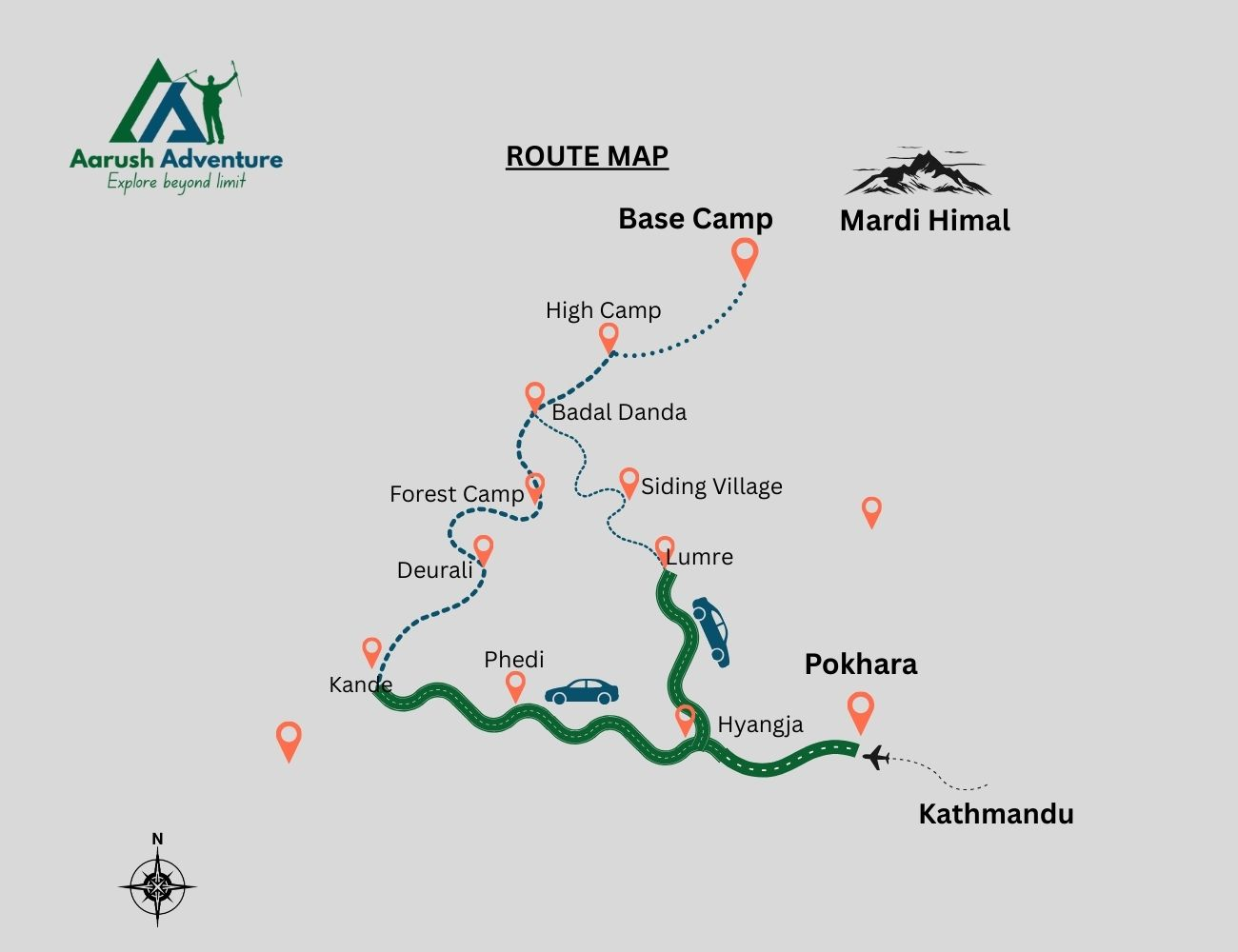
Route Map

OXYGEN SATURATION

Equipment List

  • Down Jacket
  • Trekking shirts( full and half shirts) and quick to dry
  • Windproof and waterproof jacket
  • Breathable underwear
  • A few pairs of long and short hiking trousers.
  • Sunhat and sunblocks
  • Woolen hat
  • Pair of warm and thin gloves
  • Hiking Boots
  • Sport Shoes
  • Trekking Socks
  • Sleeping Bags
  • Trekking Poles
  • Flashlight or Head Torch
  • First aid kit
  • personal items such as soap, shampoo, books, music, charger, moisturizing cold cream, etc
  • Gaiter
FAQs
  • Mardi Himal Trek is a combination of trekking and mountaineering in Nepal’s Annapurna region. Situated at 5,587 meters, it offers stunning Himalayan scenery and cultural experiences. Starting from Pokhara, trekkers pass through villages like Kande, Australian Camp, and Forest Camp before reaching High Camp and the base of Mardi Himal. Highlights include breathtaking views of Annapurna South, Machhapuchhre (Fishtail), and Hiunchuli, as well as encounters with lush rhododendron forests and tranquil alpine meadows. The trail is less crowded than other Annapurna routes, providing a peaceful trekking experience. Culturally, the journey allows interactions with Gurung and Magar communities, adding depth to the adventure. The trek’s unique combination of natural beauty, cultural richness, and mountaineering challenge makes it a perfect choice for both nature lovers and adventure seekers.

  • The highest altitude of Mardi Himal Peak Climbing is 5,587 meters. To prepare for altitude sickness, ascend gradually and stay hydrated while avoiding alcohol and smoking. Physical fitness, focusing on cardiovascular endurance, is essential. Acclimatization is key, achieved by taking rest days at elevations like Low Camp (3,150 m) and High Camp (3,580 m) to allow your body to adjust. Listen to your body for symptoms of Acute Mountain Sickness (AMS), such as headaches, nausea, or dizziness. If symptoms persist, descend immediately. Preventative medications like Diamox (Acetazolamide) can be helpful but should be taken only with medical advice. Trekking with experienced guides and following their recommendations ensures safety and minimizes risks. Proper preparation and acclimatization not only enhance safety but also make the journey more enjoyable.

  • Mardi Himal Peak Climbing demands moderate to high fitness levels and some trekking experience. While technical mountaineering skills are not mandatory, familiarity with using equipment like crampons and ropes is beneficial. The climb is moderately challenging, with steep ascents, rocky trails, and icy sections near the summit requiring physical stamina and mental focus. Training that includes cardio, strength, and endurance exercises is highly recommended. The trek’s altitude, cold weather, and varied terrain make it demanding for beginners, but with proper preparation and guidance from experienced trekking agencies, it is achievable. The climb offers both physical and mental challenges, making it an exciting adventure for trekkers with a strong determination and willingness to learn.

  • Accommodations along the Mardi Himal route are mostly teahouses and lodges offering basic facilities. Rooms are modest, often twin-sharing, with wooden beds, mattresses, and limited blankets. At lower altitudes, some lodges provide attached bathrooms, while shared bathrooms are standard at higher altitudes. Meals include traditional Nepali dal bhat, soups, and simple international dishes. Amenities like hot showers and charging facilities are available for an additional fee, but these become less reliable at higher elevations. Wi-Fi is intermittent and slow, particularly above Forest Camp. A good-quality sleeping bag is recommended for added comfort. Despite the simplicity of facilities, the warm hospitality of lodge owners and camaraderie among trekkers create a unique and memorable experience.

  • Cash management is crucial as ATMs are only available in Kathmandu and Pokhara. Budget for accommodation, meals, and services like charging and Wi-Fi, with extra cash for emergencies. Payments are typically in Nepali Rupees. Charging facilities are available at teahouses for a fee, so carrying a power bank is advisable. Wi-Fi is accessible in some lodges but becomes expensive and unreliable at higher altitudes. Mobile networks like Ncell and Nepal Telecom work sporadically at lower elevations but are inconsistent further up. Satellite phones or communication systems provided by guides are recommended for emergencies. Sharing your itinerary with someone and setting check-in times enhances safety. Proper cash and communication planning contribute to a smoother and more enjoyable trek.

  • Medical facilities along the Mardi Himal trek route are limited, with only basic first-aid available in teahouses or villages. Serious emergencies often require descent to Pokhara or helicopter evacuation, which can be costly without proper travel insurance. Guides and porters are trained in basic first-aid and altitude sickness management. They monitor trekkers for symptoms of altitude sickness and provide advice on pacing and acclimatization. If emergencies occur, guides arrange for immediate evacuation and coordinate rescue services. It is essential for trekkers to carry a personal medical kit with essentials such as pain relievers, altitude sickness medication, and bandages. Comprehensive travel insurance that covers high-altitude trekking and helicopter evacuation is mandatory. By staying hydrated, pacing properly, and following the guide’s advice, trekkers can prevent common issues like dehydration, exhaustion, and altitude-related illnesses.

  • The Mardi Himal trek passes through villages inhabited by Gurung and Magar communities, rich in cultural traditions. It is important to respect local customs, greet people with “Namaste,” and dress modestly, particularly in villages and near religious sites. Cultural landmarks along the trail include Buddhist stupas, prayer flags, mani walls, and small monasteries. Trekkers are encouraged to walk clockwise around stupas and mani walls and avoid stepping over them. Seek permission before taking photos of people or sacred sites. The Himalayan mountains are considered sacred by locals, and trekkers should avoid loud behavior, littering, or actions that could offend religious sentiments. By respecting these traditions, trekkers not only foster goodwill but also gain a deeper appreciation for the spiritual and cultural heritage of the region, enriching their overall climbing experience.

  • Mardi Himal Trek is renowned for its stunning natural beauty, featuring rhododendron forests, alpine meadows, and panoramic views of Annapurna and Machapuchare. Wildlife sightings may include Himalayan monals, pheasants, langurs, barking deer, and occasionally red pandas. The Annapurna Conservation Area, a biodiversity hotspot, is a highlight of the trek.
    To preserve this environment, follow Leave No Trace principles: carry all waste out, use eco-friendly products, and avoid littering. Stick to marked trails to prevent erosion and maintain a safe distance from wildlife. Avoid picking plants or flowers, as they are integral to the ecosystem. Protect water sources by refraining from polluting streams and opting for water purification tablets instead of disposable plastic bottles. By trekking responsibly, visitors help sustain the pristine beauty and ecological balance of the region for future generations to enjoy.

  • Safety during Mardi Himal Trek requires proper preparation and caution. To avoid altitude sickness, acclimatize gradually, stay hydrated, and trek at a steady pace. Always hire a licensed guide familiar with the terrain and emergency protocols. Carry a personal first-aid kit, and ensure you have travel insurance covering high-altitude evacuation.
    In emergencies, guides assess the situation and take appropriate action. Minor issues may be managed by descending to lower altitudes, while serious cases could require helicopter evacuation to the nearest hospital. Guides coordinate with rescue teams and assist in evacuation procedures. A charged phone with emergency contacts and informing your team of medical conditions are critical precautions. Rapid weather changes in the Himalayas make it essential to monitor forecasts and carry proper gear. By following safety measures and professional guidance, trekkers can ensure a secure and enjoyable experience.

  • The success rate of summiting Mardi Himal Peak is relatively high, ranging from 90-95%, owing to its moderate difficulty and the support of experienced guides. However, several factors can impact the likelihood of success. Altitude sickness is a significant challenge, making gradual acclimatization crucial. Unpredictable weather, including storms or heavy snowfall, can delay or prevent the summit attempt. Physical fitness and mental preparedness are key, as the trek demands endurance and stamina. Proper gear and guidance from trained professionals increase success chances. Teamwork, positive morale, and effective communication also play essential roles. Choosing the right season—spring (March-May) or autumn (September-November)—offers stable weather and better climbing conditions. Thorough preparation, adherence to acclimatization protocols, and responsiveness to guide instructions are essential for a safe and successful climb to Mardi Himal Peak.

  • Essential gear for Mardi Himal trek includes layered clothing: a moisture-wicking base layer, an insulating middle layer, and a waterproof outer layer. High-quality trekking boots, thermal socks, gloves, and a warm hat are necessary for cold temperatures. Technical climbing gear like crampons, an ice axe, harness, and helmet may be rented locally. Additional must-haves include a sleeping bag rated for -15°C, trekking poles, UV-protected sunglasses, sunscreen, and a headlamp. A small backpack should carry snacks, a reusable water bottle, purification tablets, and a personal first-aid kit. Keep essential documents such as trekking permits, maps, and GPS devices handy. Packing light yet efficiently is critical. Consult your guide for a detailed checklist based on seasonal conditions and trek-specific needs. Proper gear ensures comfort, safety, and an enjoyable climbing experience in the Himalayan wilderness.

You May Also LikeSimilar Itineraries
Nar Phu Valley Trek
Nar Phu Valley Trek
Difficulty: modorate to Challenging 11 Days
Max. Height: 5306 meter

US $1299

Upper Mustang Trek
Upper Mustang Trek
Difficulty: Easy to modorate 18 Days
Max. Height: 4030 meter

US $2550

Ghorepani Poon Hill trek
Difficulty: Eassy to moderate 11 Days
Max. Height: 3210 meter

US $1099

Annapurna Base Camp Trek
Difficulty: Eassy to moderate 16 Days
Max. Height: 4130 meter

US $1399

Annapurna Circuit and Tilicho Lake Trek
Difficulty: modorate to Challenging 20 Days
Max. Height: 5416 meter

US $1750

Mardi Himal Trek
Mardi Himal Trek
Difficulty: Easy to modorate 11 Days
Max. Height: 4500 meter

US $1099